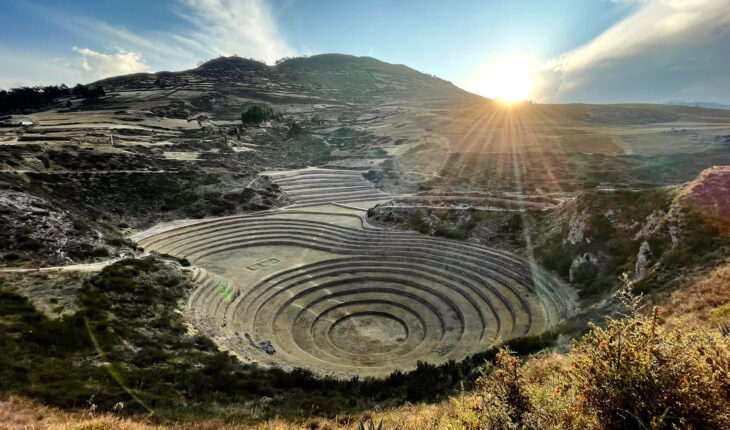
Located along the renowned Inca Trail, Wiñay Wayna ruins stand as a remarkable example of the Inca civilization’s brilliance. Often overshadowed by the more famous Machu Picchu, Wiñay Wayna offers an opportunity to explore Inca architecture, culture, and their deep connection with nature. Whether you’re a seasoned hiker, a history buff, or someone seeking tranquility amidst ancient ruins, Wiñay Wayna in Peru promises a journey of discovery and awe.
Quick Facts About Wiñay Wayna
| Feature | Details |
|---|---|
| Location | Cusco Region, Peru |
| Elevation | 2,700 meters (8,900 feet) |
| Discovery | 1940-1942 by Wenner Gren Scientific Expedition |
| Main Structures | Upper and Lower Complexes, Agricultural Terraces |
| Primary Function | Spiritual Center, Administrative Hub, Resting Point |
| Flora | Home to diverse orchids, including the Wiñay Wayna orchid |
| Accessibility | Accessible via Classic or Short Inca Trail |
| Best Time to Visit | May to October (Dry Season) |
What is Wiñay Wayna?
Wiñay Wayna, which translates to “forever young” in Quechua, is a captivating Inca archaeological site situated about 3.3 kilometers south-southeast of Machu Picchu. Positioned between Puyupatamarca and Intipunku (the Sun Gate), the site rests on a steep hillside overlooking the Urubamba River. At 2,700 meters (8,900 feet) above sea level, Wiñay Wayna is an essential stop along the Inca Trail, offering travelers a glimpse of both the past and the engineering genius of the Incas.
History of Wiñay Wayna
Built during the 15th century under the rule of Pachacutec, the Inca emperor responsible for expanding the empire, Wiñay Wayna played a significant role in the Inca civilization. While its exact purpose remains open to interpretation, it is generally believed that the site served multiple functions:
- Spiritual Center: The presence of ceremonial baths and fountains suggests that Wiñay Wayna was used for religious or spiritual activities, possibly for rituals or offerings to the Inca gods.
- Administrative Hub: As an administrative center, the site likely played a role in managing the region’s agricultural production and the distribution of resources.
- Resting Point: Located on the Inca Trail, Wiñay Wayna may have served as a resting point for travelers, including high-ranking officials and nobles, before they continued their journey to Machu Picchu.
Inca Architectural Wonders
The Wiñay Wayna ruins showcase the exceptional architectural skills of the Incas, particularly in their stone masonry and the integration of structures with the natural landscape.
Upper and Lower Complexes
The site is divided into two primary sections:
- Upper Complex: Features a circular building, which may have been used for ceremonial purposes, and a series of trapezoidal doorways and windows typical of Inca design.
- Lower Complex: This area includes parapets with sharp peaks, jagged walls, and massive stone slabs. A graceful stone staircase connects the two complexes and is adorned with ancient fountains and baths.
Agricultural Terraces
Surrounding Wiñay Wayna are expansive agricultural terraces carved into the steep hillside. These terraces were meticulously designed to prevent soil erosion and enhance agricultural productivity in the challenging Andean terrain. Crops such as potatoes, corn, and coca were cultivated, demonstrating the Incas’ advanced farming techniques.
Natural Beauty Around Wiñay Wayna
In addition to its architectural brilliance, Wiñay Wayna is surrounded by breathtaking natural beauty, making it an excellent destination for nature lovers.
Flora and Fauna
The site is nestled within a lush cloud forest, teeming with a variety of plant and animal species. Visitors may encounter vibrant orchids, including the Wiñay Wayna orchid, as well as hummingbirds and the elusive spectacled bear. The mist and abundant greenery create a serene, magical atmosphere.
The Wiñay Wayna Orchid
The name Wiñay Wayna is derived from the abundant orchids found in the area. These delicate flowers not only enhance the beauty of the site but also carry cultural significance, representing eternal youth and beauty in Inca mythology.
How to Visit Wiñay Wayna
Exploring the Wiñay Wayna ruins is both an adventurous and immersive cultural experience. Here’s what you need to know to make the most of your visit.
Getting There
Wiñay Wayna is accessible through the Inca Trail, with several hiking options available:
- Premium Inca Trail (5-Day Trek):
- Day 1: Warm-Up Day – Cusco to Wayllabamba
- Day 2: Challenging Day Through Dead Woman’s Pass – Wayllabamba to Paqaymayu
- Day 3: Jungle and Historical Day – Paqaymayu to Phuyupatamarca
- Day 4: Descend to Machu Picchu Through the Sun Gate
- Day 5: Machu Picchu Tour and Train back to Cusco
- Classic Inca Trail (4-Day Trek):
- Day 1: Warm-Up Day – Cusco to Wayllabamba
- Day 2: Challenging Day Through Dead Woman’s Pass – Wayllabamba to Paqaymayu
- Day 3: Jungle Hike – Paqaymayu to Wiñayhuayna
- Day 4: Machu Picchu Tour and Train back to Cusco
- Short Inca Trail (2-Day Trek):
- Day 1: Train Ride to 104
- Day 2: Machu Picchu and return to Cusco
Best Time to Visit
The best time to visit Wiñay Wayna is during the dry season from May to October, when the weather is clear and ideal for hiking. The months of April and November also offer pleasant weather with fewer tourists, making it a great time for those looking for a more tranquil experience.
What to Bring
- Altitude Sickness Medication: To help prevent altitude sickness, it’s recommended to bring altitude sickness medication.
- Sleeping Bag: Essential for overnight stays along the trail.
- Mosquito Repellent: To protect against insect bites in the cloud forest.
- Sunglasses and Sunscreen: To shield yourself from the strong Andean sun.
- Sturdy Hiking Boots: Necessary for navigating the rugged terrain.
- Water and Snacks: Stay hydrated and keep energy up during the hike.
Tour Options
Booking a tour through a reputable operator like Aantur Perú ensures a smooth and enriching experience. We pride ourselves on offering not only safe and reliable tours but also competitive pricing, making it easier for you to experience the best of Peru without breaking the bank. Trust us to guide you on your journey, as we prioritize your safety and satisfaction every step of the way.
Inca Trail Tours
- Guided Tours: Expert guides provide fascinating insights into the history and cultural significance of Wiñay Wayna, enhancing your visit.
- Customizable Itineraries: Tailor your trek to suit your interests and physical ability, adding stops and activities as desired.
Conservation Efforts
The Peruvian government and international organizations are actively involved in preserving the Wiñay Wayna ruins. Key conservation efforts include:
- Regulated Tourism: Limiting the number of visitors to reduce wear and tear on the site.
- Conservation Projects: Ongoing work to stabilize and repair the terraces and structures to protect them from erosion.
- Educational Programs: Raising awareness about the importance of protecting this cultural heritage.
Myths and Legends
Wiñay Wayna is not only an archaeological treasure but also a site filled with myths and legends that add to its mystique:
- Orchid Maiden: According to one legend, a beautiful young woman was transformed into an orchid to preserve her eternal youth, symbolizing the name “forever young.”
- Eternal Spring: Another myth speaks of a spring at Wiñay Wayna that never runs dry, considered a divine gift from the gods.
The Wiñay Wayna ruins offer a fascinating blend of architectural genius, rich history, and natural beauty. As a key stop on the Inca Trail, it offers a rare opportunity to connect with the past and enjoy a peaceful retreat in the heart of the Andes. Whether you’re trekking to Machu Picchu or exploring lesser-known gems in Peru, Wiñay Wayna provides an unforgettable and enriching experience.