

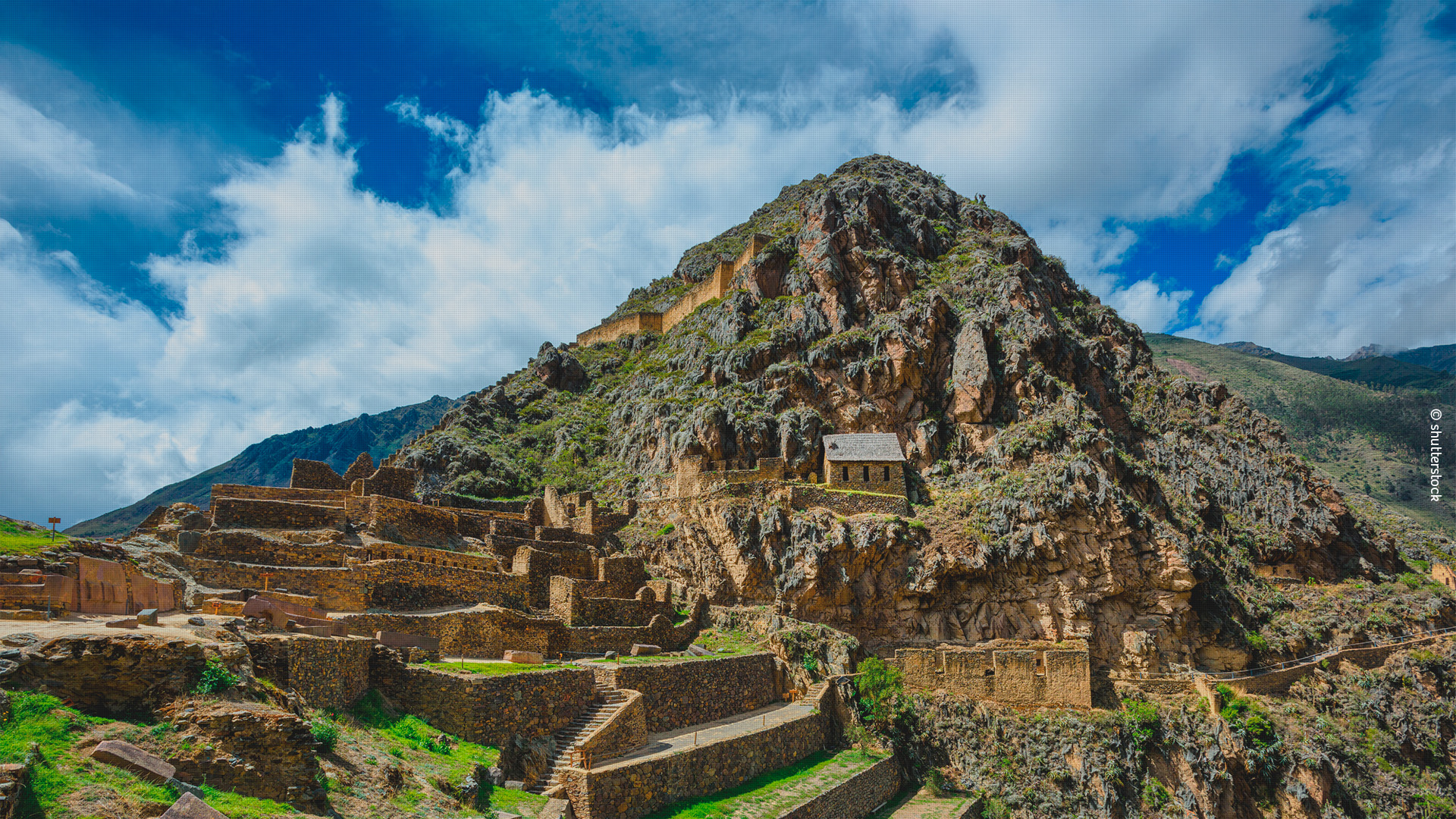
Ollantaytambo, nestled in Peru’s Sacred Valley, is a captivating Inca town that offers far more than just a layover on the way to Machu Picchu. With its impressive ruins, deep historical significance, and thriving cultural traditions, Aantur Perú invites you to uncover one of the Inca Empire’s most resilient legacies.
Introduction to Ollantaytambo
Strategically located around 60 kilometers from Cusco at an altitude of 2,792 meters, Ollantaytambo once functioned as a key religious, military, and agricultural site. Its intricately carved stones, impressive terraces, and ancient structures are an open-air museum of Inca engineering. Today, it remains a vibrant town where Inca foundations still support homes and streets, making it a living relic. Moreover, it is the primary departure point for trains headed to Machu Picchu, increasing its importance among travelers.
A Glimpse into Its History
The name Ollantaytambo is believed to derive from Aymara, meaning “Overlook Place,” a fitting name for its elevated vantage over the valley. Initially established by pre-Inca civilizations, it was later developed and fortified by the Incas under Pachacutec, transforming it into a ceremonial, strategic, and residential center.
In 1537, after losing Cusco to Spanish forces, Manco Inca retreated to Ollantaytambo. In a rare victory, he successfully held off the Spaniards using the complex’s natural defenses and superior engineering. Eventually, the Incas withdrew deeper into the jungle, but this victory remains a defining moment in their resistance.
Main Attractions in Ollantaytambo
Ollantaytambo holds numerous archaeological marvels that showcase the brilliance of Inca architecture and spirituality. Key sites include:
- Temple of the Sun: Perched on a high terrace, this iconic site is accessed via a steep 200-step climb. The temple features six massive monoliths and displays the Chacana, or Andean cross, symbolizing the Inca worldview.
- The Temple of the Ten Niches and Main Gateway: These ruins stand as reminders of the town’s defensive might and architectural precision. The niches likely held ceremonial objects or idols.
- Ñusta’s Bath: A ceremonial fountain used by Inca royalty, this site reflects the advanced water management techniques that defined Inca urban design.
- Cachicata Quarry: Located across the river, this quarry was the source of stones used in the construction of Ollantaytambo’s temples. The route to the site offers picturesque views and insight into the transportation of massive stones.
- Pinkuylluna Granaries: These storage structures built into the cliffs were used to preserve food. Hiking up to them rewards visitors with panoramic views of the town and valley below.
When Is the Best Time to Visit?
The dry season, from April to November, is ideal for exploring Ollantaytambo, thanks to its sunny skies and pleasant conditions. However, even the wet season (December to March) has its charm, as the green landscape and smaller crowds create a different but beautiful experience. If you’re interested in local traditions, May and June offer vibrant festivals such as Señor de Choquekillka, complete with music, dance, and colorful processions.
How to Reach Ollantaytambo
Traveling from Cusco to Ollantaytambo is straightforward. Shared taxis or minibuses are readily available from the city’s bus terminals, with fares ranging between 50 to 100 soles (around $15 to $30 USD). The journey typically takes between 90 minutes to two hours. Additionally, Ollantaytambo is the primary train station for those continuing to Aguas Calientes and Machu Picchu, making it a convenient stop for travelers.
Admission Information
Entrance to Ollantaytambo’s archaeological complex requires a Cusco Tourist Ticket (Boleto Turístico). The full ticket, priced at about 130 Soles (~$35 USD), provides access to a variety of historical sites throughout the region. A more affordable partial ticket that covers the Sacred Valley, including Ollantaytambo, is available for 70 Soles (~$19 USD). Tickets can be purchased at the entrance or in Cusco. Keep in mind that most ticket booths only accept cash.
Where to Stay in Ollantaytambo
Ollantaytambo offers accommodations for every type of traveler. Backpackers can find budget hostels, while mid-range hotels provide excellent amenities and mountain views. For a distinctive experience, eco-lodges and boutique stays like Earth Tones offer a closer connection to nature. Travelers seeking comfort and convenience often choose hotels near the train station, such as Tunupa or the upscale El Albergue, known for its gardens and organic restaurant.
Aantur Perú Travel Advice
To fully appreciate Ollantaytambo, we recommend joining a professionally guided tour. With Aantur Perú, you’ll gain insights into the site’s significance, explore hidden corners, and connect with local traditions. Whether you’re just passing through or staying for a few days, Ollantaytambo offers a profound cultural and historical experience worth savoring.
Final Thoughts: Why Ollantaytambo Deserves a Spot on Your Itinerary
Ollantaytambo is not merely a stop along the journey to Machu Picchu—it’s an Inca treasure in its own right. With its ancient streets, imposing stone walls, and breathtaking mountain views, it offers a rare window into a civilization that continues to inspire. Whether you’re drawn by the architecture, the legends, or the landscapes, this timeless town will enrich your journey through Peru’s Sacred Valley.


