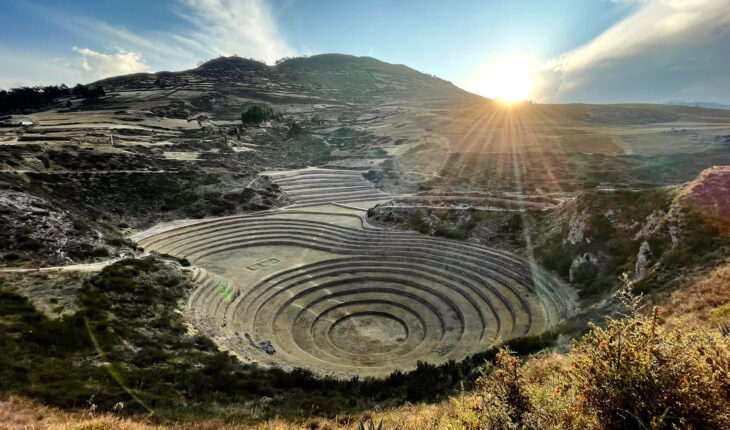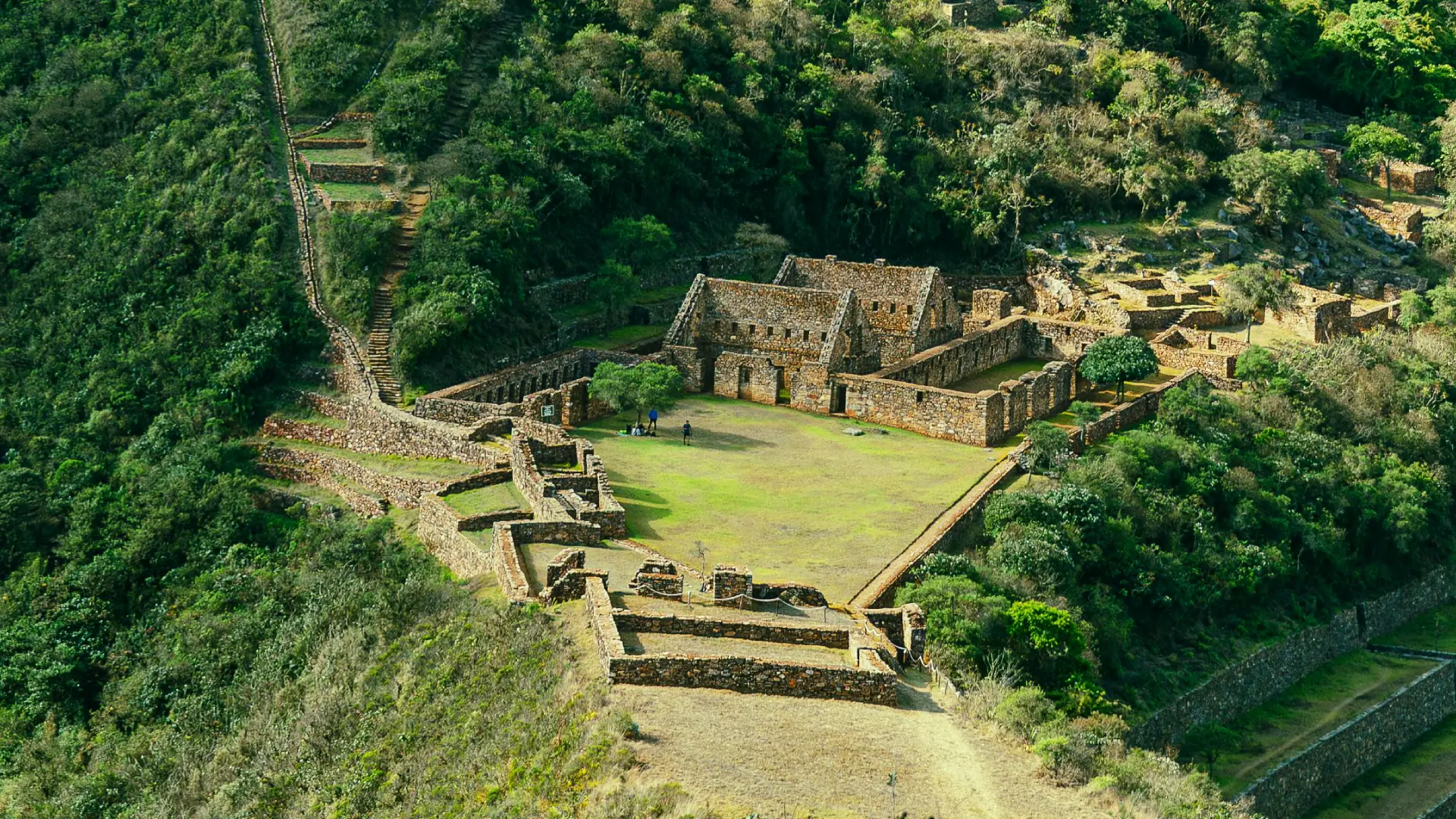
Hidden deep within the breathtaking Peruvian Andes, Choquequirao Ruins is a spectacular yet often overlooked destination. Often referred to as the “sister of Machu Picchu” due to its impressive architecture and remote location, this Inca site offers a genuine and off-the-beaten-path adventure. In this comprehensive guide, you’ll find everything you need to embark on a journey to this mystical complex before it faces the pressures of mass tourism.
What Makes Choquequirao Ruins So Unique?
Understanding the Name Choquequirao
Derived from the Quechua language, “Choquequirao” translates to “Cradle of Gold.” Sprawling over a vast expanse, this archaeological marvel features expansive agricultural terraces, sacred plazas, and stone constructions that transport visitors back to the era of the Tahuantinsuyo. Perched at over 3,000 meters above sea level, the site once played a vital role as an administrative and ceremonial hub for the Incas.
A Glimpse into the Past: The History of Choquequirao Ruins
Before the Incas: The Prehistoric Roots
Long before Inca influence, the Choquequirao region was already alive with human activity. The Killke culture once thrived in these valleys between 1000 and 1200 AD, leaving behind ceramics and artifacts that attest to their craftsmanship. Later, the Incas would build upon this legacy, transforming the area into a significant center of power in the Vilcabamba Valley.
The Inca Era: Expansion and Innovation
During the reigns of emperors like Pachacuti and Tupac Yupanqui, Choquequirao blossomed as a lynchpin in the Inca network. It linked the distant Amazonian lowlands with the heart of the empire in Cusco, demonstrating advanced agricultural practices through its terraced fields and sophisticated irrigation systems.
The Colonial Chapter
In the turbulent aftermath of the Spanish conquest, Choquequirao emerged as a formidable refuge for the Incas. Legendary figures such as Manco Inca found sanctuary in these remote highlands after the fall of Cusco in 1536. For over three decades, Choquequirao and its surrounding fortifications served as a bastion of resistance until the eventual capture and execution of Tupac Amaru I in 1572.
Planning Your Journey: Routes to Choquequirao Ruins
Reaching Choquequirao is not for the faint-hearted, as its remote location ensures that only those willing to brave multi-day treks will experience its wonders firsthand. There are several pathways to the site, each boasting its own array of dramatic landscapes and challenges.
Main Access Routes
- Cachora Route: The most popular approach. Starting from the town of Cachora, this 4- to 5-day trek winds through the rugged Apurímac River Valley with extensive ascents and descents.
- Huanipaca Trail: A less frequented path that nonetheless rewards hikers with breathtaking vistas and a sense of solitude.
- Alternative Routes from Vilcabamba or Santa Teresa: These paths are rarely used but offer unique perspectives and additional days of travel.
Choquequirao Trek at a Glance
| Attribute | Details |
|---|---|
| Total Distance | Approximately 60 km (round trip from Cachora) |
| Duration | 4-5 days |
| Difficulty | High – suited for experienced hikers |
| Optimal Season | April to October (during the dry season) |
| Peak Altitude | 3,050 meters above sea level |
| Lowest Altitude | Playa Rosalina (1,500 meters above sea level) |
Highlights of Choquequirao Ruins
Signature Llama Terraces
Among the marvels of Choquequirao are its intricately carved llama terraces. These unique stone sculptures, set against a backdrop of expansive agricultural terraces, are rare relics of Inca artistry and ingenuity.
The Central Plaza
At the core of the ruins lies the Main Plaza, a once-vibrant center for ceremonial and administrative functions. Surrounded by structures that hint at ancient rituals, this area offers a vivid glimpse into the daily life and spirituality of the Incas.
Panoramic Vistas
Elevated high above the Apurímac River Valley, the site presents unparalleled views of rugged mountains and deep valleys. The breathtaking sunrises and sunsets further enhance the mystique of this historical landmark.
Essential Tips for Your Choquequirao Trek
Prepare Physically and Mentally
Given the rigorous nature of the trek, adequate physical conditioning is crucial. Spending a few days acclimating in a nearby city like Cusco can significantly reduce the risk of altitude sickness. Remember, the journey is as much a mental challenge as it is physical.
What to Pack for a Successful Trek
- A high-quality trekking backpack with a waterproof cover
- Versatile clothing suitable for both warm days and chilly nights
- Sturdy, waterproof trekking boots
- A reliable rain poncho
- Sunscreen, a hat, and protective eyewear
- Lightweight trekking poles
- Plenty of water and energy-boosting snacks
- A headlamp accompanied by spare batteries
Modern Developments: The Future of Access
To increase accessibility and attract more global visitors, local authorities are exploring modern solutions such as the installation of a cable car system. While such developments promise to ease the journey, they may also bring an influx of tourists, potentially altering the serene ambiance that currently defines Choquequirao. For those seeking a truly immersive and untouched experience, now is the perfect moment to visit.
Why Choose Aantur Perú?
At Aantur Perú, our mission is to provide exclusive trekking adventures that unveil the hidden splendor of the Inca world. Whether you embark on a dedicated Choquequirao Trek or a combined excursion through other Inca sites, our knowledgeable guides ensure that every step of your journey is infused with historical insights, breathtaking landscapes, and personalized care. With all logistics, from meals and transportation to trekking gear, meticulously organized, you’re free to fully immerse yourself in the unparalleled wonder of this ancient site.
Additionally, our commitment to sustainable tourism supports local communities and preserves the fragile beauty of the Andes, ensuring that future generations can also revel in the mystery of Choquequirao.