

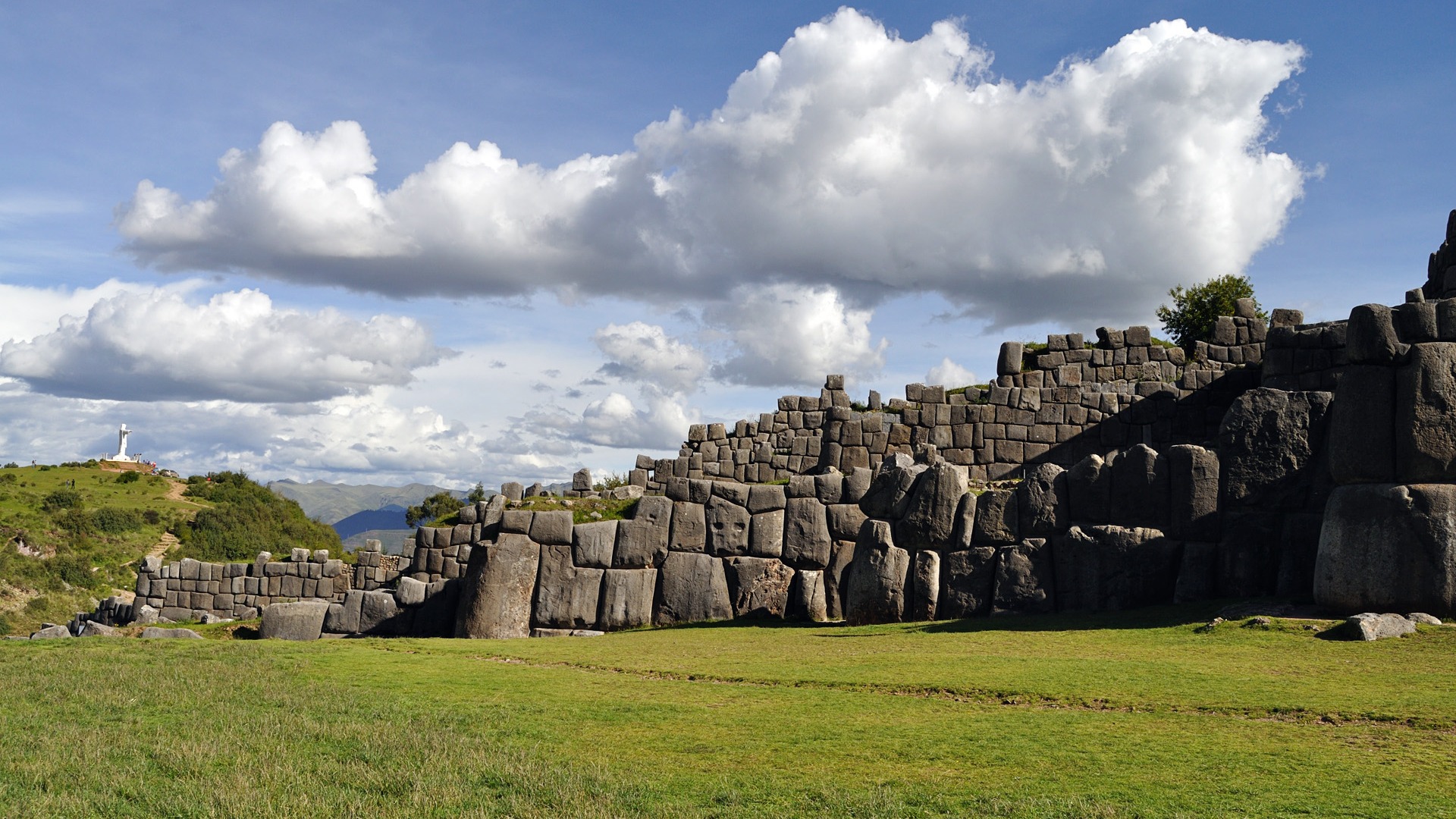
Sacsayhuamán stands as one of the most impressive and enduring legacies of the Inca Empire. Located atop a high ridge approximately 230 meters (755 feet) above the historic center of Cusco, this monumental fortress offers sweeping views of the valley below. Constructed in the 15th century during the height of Inca power, the site is an architectural marvel and an essential destination for those interested in the ingenuity of pre-Columbian civilizations.
Overview of Sacsayhuamán
Sacsayhuamán was more than just a fortress—it was a symbol of strength, strategic planning, and spiritual significance. Built under the leadership of Pachacuti Inca Yupanqui, a transformative figure in Inca history, the structure was part of a larger urban plan in which Cusco was laid out in the form of a puma, with Sacsayhuamán forming the animal’s head—a potent representation of power and protection.
Engineering Feats and Stonework
Perhaps the most remarkable aspect of Sacsayhuamán is the precision stone masonry. Some stones tower at over 8 meters (27 feet) in height and weigh many tons, yet they fit together seamlessly—a testament to the Incas’ unmatched construction techniques. Built without mortar, these walls have withstood major earthquakes that have devastated more modern structures in Cusco.
Techniques Behind the Walls
The logistics behind Sacsayhuamán’s construction continue to intrigue researchers. Without the use of wheels or iron tools, the Incas quarried, shaped, and transported stones—some from distances as far as 32 kilometers. Using ropes, wooden sleds, and ramps, teams of thousands coordinated the building of the site, which extends more than 300 meters (1,000 feet).
Functions and Historical Importance
The purpose of Sacsayhuamán was multifaceted. Its layout and towers strongly suggest a defensive role, protecting the sacred city of Cusco. Yet archaeological discoveries also reveal ceremonial uses, including plazas, altars, and terraces used for rituals and large public events. The blend of military and religious functions reflects the Inca worldview, where governance and spirituality were deeply intertwined.
The 1536 Siege and Legacy
In 1536, Sacsayhuamán became a battleground during the Inca resistance against the Spanish conquest. Led by Manco Inca Yupanqui, Inca warriors fought fiercely to reclaim Cusco but ultimately fell to the conquistadors. After the defeat, parts of the fortress were demolished, and its stones repurposed in colonial architecture. Despite this, the grandeur and scale of what remains continue to impress modern visitors.
Rediscovery and Preservation
Centuries later, Sacsayhuamán began to receive serious academic attention. Excavations in the early 20th century brought the site back into the national spotlight. Today, it remains a vital focus for archaeological research, shedding light on Inca society, their belief systems, and their unparalleled engineering.
Notable Features of the Fortress
1. Zigzagging Stone Walls
The zigzag layout of Sacsayhuamán’s main walls reflects both aesthetic beauty and seismic functionality. The shape is believed to mimic the path of lightning and provides exceptional resistance against tremors. Visitors are often astonished by the tight stone joints that have endured for centuries without modern cement.
2. The Three Strategic Towers
Perched at the summit once stood three large towers: Muyuccmarca, Paucarmarca, and Sallaqmarca. Though only foundations remain, these towers were crucial for military surveillance and communication. Tunnels once connected these towers, facilitating swift movement across the site.
3. The Ceremonial Inca Throne
Close to the fortress lies a stone-carved seat known as the “Inca Throne.” Aligned with the sun during the winter solstice, it likely played a role in solar rituals and leadership ceremonies. Its precise positioning further illustrates the Incas’ astronomical sophistication.
4. Chincanas: The Underground Tunnels
Mysterious subterranean passages, or Chincanas, run beneath the fortress. These tunnels, part of the Inca architectural landscape, might have served as escape routes or sacred paths. While some are accessible today, others remain closed to protect public safety and preserve their condition.
Planning Your Visit
Sacsayhuamán is included in the official Cusco Tourist Ticket, which grants access to many significant Inca sites. Each June 24, the site hosts Inti Raymi, the Festival of the Sun, where elaborate reenactments bring ancient rituals to life. It’s one of the most spectacular cultural events in Peru.
Ideal Visiting Season
The most popular time to visit is the dry season (April to November), when clear skies make for optimal sightseeing and photography. If you prefer fewer crowds, consider visiting during the rainy season from December to March, when the lush greenery adds a unique vibrancy to the site.
Final Thoughts
Sacsayhuamán remains a powerful representation of Inca brilliance—both technically and spiritually. Its colossal walls, ceremonial elements, and panoramic location offer insight into a culture that deeply respected the land, the cosmos, and the divine.
Visitors interested in exploring this awe-inspiring site can arrange tours with Aantur Perú, which offers tailored cultural experiences throughout the Cusco region. Embark on a journey through the living history of the Andes and discover the mysteries of the Inca world.


